Step 1: Identify and Source Scrap Materials
- Determine which scrap types you want to trade: ferrous, non-ferrous, plastics, paper, or e-waste.
- Build relationships with reliable sources: households, workshops, factories, construction sites.
- Consider industrial-grade scrap for higher margins and consistent supply.
Step 2: Inspect and Grade Materials
- Use standard grading systems like ISRI codes for metals.
- Check for contamination, alloy composition, and moisture content.
- Proper grading ensures buyers pay fair prices and avoids rejection.
Step 3: Weigh Accurately
- Measure gross weight, tare weight, and net weight using certified scales or weighbridges.
- Record moisture levels for non-metal scrap to adjust pricing.
- Use load cells for precise measurement in large-scale operations.
Step 4: Find Buyers and Market Prices
- Research local and global scrap prices to get fair market rates.
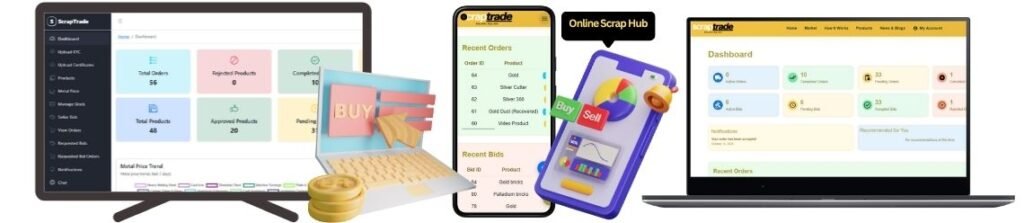
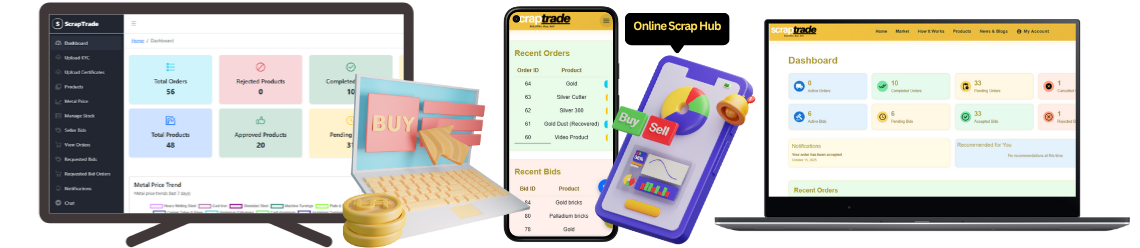
- Use verified trading platforms like ScrapTrade.com.au to connect with industrial and commercial buyers.
- Negotiate prices based on weight, grade, and material type.
Step 5: Transport and Logistics
- Use proper containers, pallets, or trucks to prevent contamination and ensure safety.
- Comply with transport regulations, especially for hazardous materials or e-waste.
- Track shipments and maintain documentation for smooth transactions.
Step 6: Finalize Sale and Get Paid
- Provide buyers with weight certificates, grading info, and invoices.
- Confirm payment via secure methods.
- Maintain records for tax, compliance, and future business planning.
Tip: Following these six steps systematically not only maximizes profits but also ensures compliance and builds trust in the scrap trading community. Platforms like ScrapTrade.com.au streamline steps 46, making it faster and safer to buy or sell scrap globally.