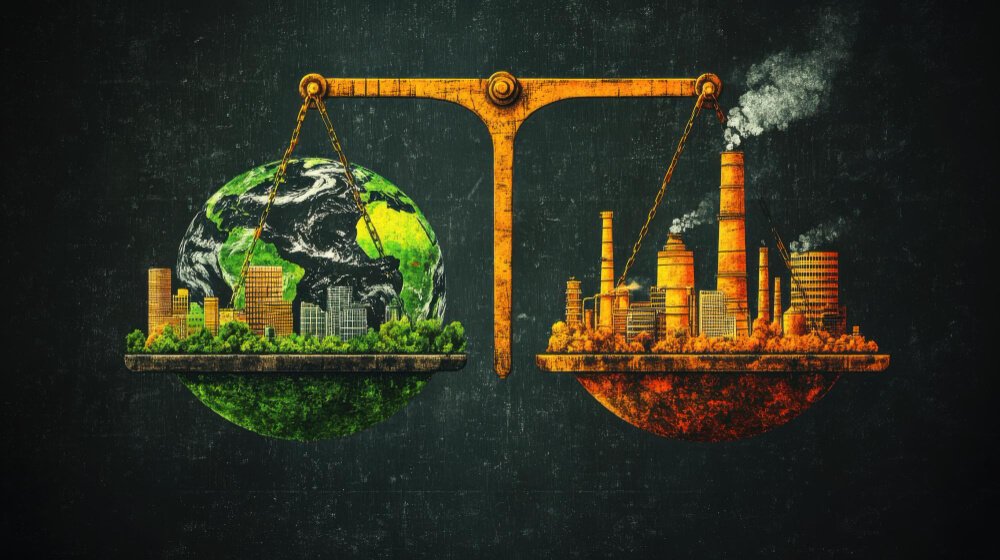
The scrap trading industry plays a crucial role in recycling, sustainability, and resource efficiency. However, it is heavily influenced by environmental laws and regulations that govern how materials are collected, processed, and sold. Understanding these laws is essential for anyone looking to sell scrap online or operate a scrap yard responsibly. Platforms like ScrapTrade, Australia’s trusted scrap trading platform, help sellers and buyers navigate compliance while connecting with verified scrap buyers.
Why Environmental Laws Matter in Scrap Trading
Environmental regulations exist to:
- Reduce Pollution: Proper handling of scrap, especially e-waste and hazardous metals, prevents soil, water, and air contamination.
- Ensure Safety: Regulations protect workers and communities from exposure to harmful substances.
- Promote Sustainability: Encourage recycling and reuse of metals, reducing reliance on virgin materials.
- Facilitate Legal Trade: Compliance ensures smooth transactions, both locally and internationally.
Failure to comply can result in fines, shipment delays, or revoked licenses, impacting profitability and reputation.
Key Environmental Regulations Affecting Scrap Trading
1. Waste Management and Disposal Laws
- Laws dictate how scrap, especially hazardous or e-waste, must be collected, stored, and processed.
- For example, batteries, electronics, and lead-acid products require special handling.
- Platforms like ScrapTrade ensure buyers and sellers are aware of proper disposal and transport procedures.
2. Export and Import Controls
- Countries often have restrictions on exporting certain types of scrap to prevent environmental harm abroad.
- Exporters must comply with documentation, such as certificates proving responsible handling.
- Sellers using online platforms can verify buyers’ credentials to ensure legal export.
3. Environmental Protection Standards
- Scrap yards must follow guidelines for dust, water runoff, noise, and chemical management.
- This is particularly important for metal shredding, smelting, and processing operations.
4. Recycling and Recovery Regulations
- Some jurisdictions mandate a minimum percentage of material recovery or recycling.
- Compliance ensures scrap trading contributes positively to sustainability goals.
How Environmental Laws Impact Online Scrap Trading
- Listing Accuracy: Sellers must declare scrap type accurately, especially for e-waste or hazardous metals.
- Buyer Verification: Verified buyers help ensure compliance with environmental standards.
- Transaction Documentation: Environmental compliance certificates may be required for bulk or international trades.
- Pricing Considerations: Compliant handling may increase operational costs, influencing scrap prices.
- Reputation: Trading responsibly enhances credibility among buyers and regulators.
How ScrapTrade Supports Compliance
- Verified Buyers: Connect only with buyers who meet legal and environmental standards.
- Documentation Guidance: Helps sellers provide necessary certificates and approvals.
- Secure Transactions: Escrow-protected payments reduce risk for both compliant sellers and buyers.
- Sustainable Practices: Encourages responsible trading of metals, e-waste, and other scrap materials.
Tips for Compliant Scrap Trading
- Keep up-to-date with local, national, and international environmental laws.
- Segregate and label scrap materials clearly to prevent contamination.
- Ensure proper storage, handling, and transport methods.
- Use platforms like ScrapTrade to verify buyers and manage documentation.
- Train staff in environmental compliance and safe scrap handling.
Conclusion
Environmental laws play a critical role in shaping the scrap trading industry. Compliance not only avoids legal penalties but also ensures sustainable and responsible recycling. By using a trusted scrap trading platform like ScrapTrade, sellers can navigate regulations, connect with verified scrap buyers, and conduct secure, environmentally compliant transactions.