
Scrap trading is a dynamic business influenced not only by supply and demand but also by global financial trends. One of the key factors shaping scrap metal prices is currency fluctuation. Whether you are a local scrap seller or a global buyer, understanding how exchange rates affect scrap trade is critical to maximizing profits and reducing financial risk.
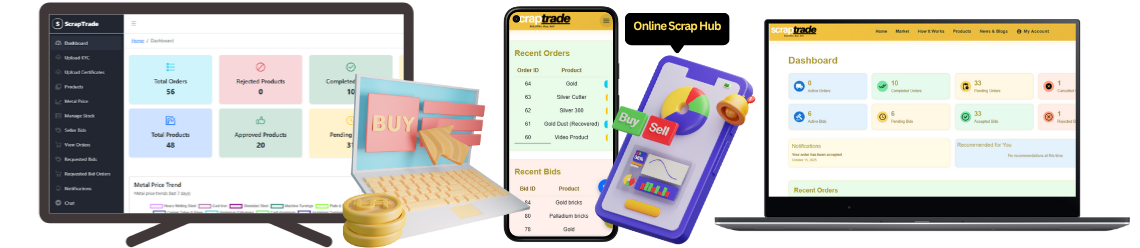
Platforms like ScrapTrade simplify this process by providing access to real-time pricing, verified buyers, and secure trading options, allowing traders to navigate currency volatility confidently.
Understanding Currency Fluctuation
Currency fluctuation refers to the rise or fall in the value of one currency compared to another. For example, if the Australian Dollar (AUD) strengthens against the US Dollar (USD), Australian scrap exports priced in USD become more expensive for international buyers. Conversely, a weaker AUD can make Australian scrap more competitive globally.
Factors influencing currency fluctuation include:
- Global economic indicators: Inflation, interest rates, and GDP growth affect currency strength.
- Political stability: Political events or policies can create uncertainty and rapid currency swings.
- Trade balances: Countries with trade surpluses may see stronger currencies, impacting export pricing.
- Commodity prices: Metals like copper, aluminum, and steel are traded globally, and their prices are often tied to major currencies.
Effects on Scrap Buyers
Currency fluctuations directly impact the purchasing power of scrap buyers, especially those buying internationally. Key effects include:
- Increased costs: If your local currency weakens, importing scrap becomes more expensive, reducing profit margins.
- Price planning: Buyers need to adjust their budgets and negotiate better deals based on currency trends.
- Timing purchases: Savvy buyers may delay purchases during unfavorable exchange rates and act when currencies are favorable.
Effects on Scrap Sellers
For scrap sellers, currency movements can influence competitiveness and revenue:
- Export pricing: A stronger local currency may make exports less attractive, potentially reducing sales volume.
- Profit margins: Sellers trading in foreign currencies must account for conversion rates to maintain profitability.
- Market selection: Currency trends can guide sellers to target regions where exchange rates maximize returns.
Mitigating Currency Risks in Scrap Trading
Traders can adopt several strategies to minimize the impact of currency fluctuations:
- Use online scrap marketplaces like ScrapTrade: Access multiple buyers and competitive rates to reduce reliance on one currency market.
- Hedging: Consider financial instruments like forward contracts or options to lock in favorable rates.
- Diversify buyers and suppliers: Trading across multiple countries reduces dependency on a single currency.
- Monitor economic indicators: Stay updated on global trends, commodity prices, and exchange rate forecasts.
Why ScrapTrade Makes Trading Safer
ScrapTrade empowers traders to navigate currency volatility effectively:
- Verified buyers and sellers: Reduce risk when dealing internationally.
- Live market analytics: Understand global pricing trends and currency effects.
- Secure transactions: Escrow-protected payments ensure safe currency conversion.
Conclusion
Currency fluctuation plays a critical role in determining scrap trade profitability. Both buyers and sellers must remain vigilant, using reliable data, strategic planning, and platforms like ScrapTrade to mitigate risks. By understanding how exchange rates influence prices, you can buy scrap online or sell scrap online with confidence, ensuring your trading decisions are both profitable and secure.