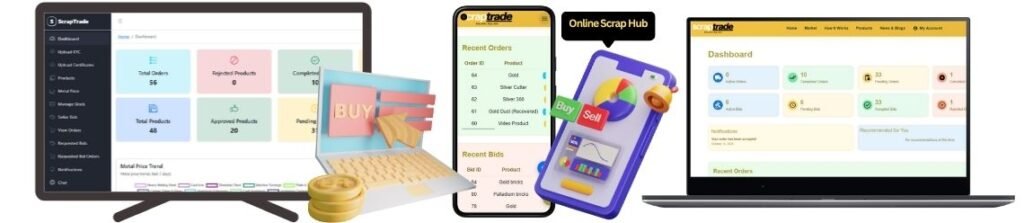
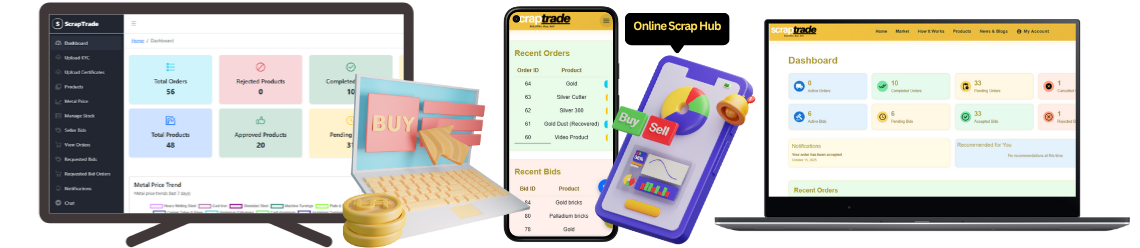

Recycling is at the heart of the scrap industry, and efficiency in processing scrap materials directly impacts profitability, sustainability, and operational effectiveness. One of the most powerful ways to enhance recycling is through automation. Platforms like ScrapTrade not only enable traders to buy scrap online and sell scrap online but also integrate digital tools that help scrap yards and recycling facilities operate more efficiently.
Why Recycling Efficiency Matters
Efficient recycling helps:
- Maximize material recovery from scrap
- Reduce energy consumption and operational costs
- Minimize waste and environmental impact
- Improve supply chain speed and reliability
Automation streamlines these processes, ensuring scrap yards remain competitive and environmentally responsible.
Key Areas Where Automation Boosts Recycling Efficiency
1. Automated Sorting
Sorting scrap manually is labor-intensive and prone to errors. Automation technologies such as conveyor systems, magnetic separators, and optical sorters:
- Quickly separate metals (ferrous vs non-ferrous)
- Identify materials like aluminum, copper, and stainless steel
- Reduce contamination, ensuring higher-quality recycled output
2. Weight and Volume Measurement
IoT-enabled scales and sensors automate measurement of scrap quantities:
- Provides accurate weight for transactions and inventory management
- Reduces human error and paperwork
- Helps track scrap for logistics, reporting, and resale
3. E-Waste Disassembly
Automation in e-waste recycling allows:
- Efficient separation of plastics, metals, and electronic components
- Safer handling of hazardous materials
- Faster recovery of valuable metals like gold, silver, and copper
4. Data-Driven Insights
Automation generates real-time data:
- Track the flow of scrap from collection to processing
- Monitor machine efficiency and throughput
- Identify bottlenecks and optimize operations for higher productivity
5. Streamlined Logistics
Integrating automated systems with GPS and IoT enables:
- Optimized routing for scrap pickup and delivery
- Real-time monitoring of scrap in transit
- Reduced fuel costs and faster turnaround times
6. Quality Control
Automated sensors and AI-powered systems ensure consistent scrap quality:
- Detect impurities or misclassified materials
- Improve buyer satisfaction by providing verified scrap
- Reduce disputes and returns in online transactions
Benefits of Automation in Recycling
- Cost Savings: Reduce labor costs and minimize losses from contamination
- Higher Efficiency: Process more scrap in less time with consistent quality
- Sustainability: Reduce energy usage and carbon footprint
- Market Advantage: Faster operations help meet buyer demand efficiently
- Accuracy: Precise measurements improve pricing, inventory, and reporting
How ScrapTrade Supports Automated Recycling
ScrapTrade enhances recycling efficiency by connecting automated scrap yards with a secure online marketplace:
- Verified buyers and sellers can buy scrap online or sell scrap online efficiently
- Integrated logistics, analytics, and inventory management help streamline operations
- AI-powered tools provide insights on pricing, demand, and material flow
- Supports e-waste trading and sustainable scrap practices
Conclusion
Automation is transforming the scrap industry by increasing recycling efficiency, reducing costs, and enhancing sustainability. From automated sorting and e-waste disassembly to real-time monitoring and data analytics, scrap yards can optimize operations for maximum profitability.
Platforms like ScrapTrade complement automation by providing a trusted digital marketplace where scrap traders can connect with verified buyers and sellers, streamline logistics, and sell scrap online securely. Embracing automation is not just about efficiency—it’s about creating a smarter, more sustainable future for scrap trading.