Scrap metal is big business in Harare. For some, its a full-time trade. For many others, its a way to survive in tough economic conditions. With steel plants and foundries depending on recycled material, scrap buyers in Harare keep the local economy turningeven as challenges like theft and underpricing complicate the picture.
Scrap Metal Buyers in Harare: Who They Are
In Harare, scrap buyers range from informal yard operators and collectors to larger dealers who supply industries and exporters. Informal collectors gather discarded steel, copper, brass, and aluminum from dumpsites, workshops, and construction sites, then sell it to yards or middlemen.
Bigger buyers handle larger loads, often supplying Zimbabwes steel industry or exporting to South Africa and beyond.
Scrap Metal Prices in Harare
Scrap prices in Zimbabwe change depending on grade, purity, and demand. Local reports show:
- Steel scrap: around US$0.15 $0.22 per kg
- Brass scrap: up to US$0.90 per kg (depending on cleanliness)
- Copper scrap: among the most valuable, reaching several US dollars per kilo in top grades
- Bulk rates: many buyers pay US$150 $300 per tonne for mixed steel loads
These numbers shift quickly with global market trends.
Opportunities and Challenges
Opportunities
- Circular economy: Scrap buyers reduce landfill waste and supply steel mills with recyclable feedstock.
- Income generation: Thousands of people in Harare rely on scrap selling as a livelihood.
- Sustainability: Using recycled scrap reduces the need for raw mining and lowers carbon emissions.
Challenges
- Underpayment: Informal collectors often accept less than market value due to lack of information.
- Theft: High demand for scrap has fueled infrastructure theft, including power cables and rail parts.
- Export restrictions: Calls to ban scrap metal exports highlight the tension between local industry needs and global market opportunities.
How ScrapTrade Could Transform Scrap Trading in Harare
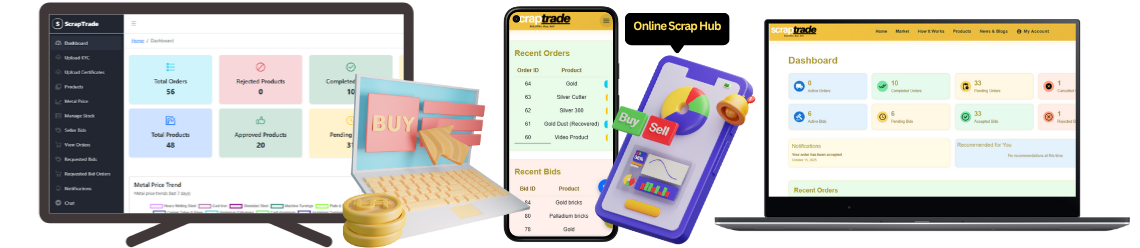
ScrapTrades vision of trust, transparency, and efficiency fits perfectly into Harares scrap economy:
- Verified Buyers & Sellers collectors and dealers can trade safely without fear of fraud.
- Live Market Pricing know the real-time value of copper, steel, and brass before selling.
- Secure Payments escrow-protected transactions mean fair money every time.
- Integrated Logistics pickups and bulk hauling organized through one platform.
By connecting informal collectors with trusted buyers, ScrapTrade can help ensure fair prices, safer trading, and a greener economy.
Final Word
Scrap metal buyers in Harare are part of a vital ecosystemturning waste into wages, and discarded material into industrial fuel. With modern platforms like ScrapTrade, Zimbabwes scrap economy can evolve from survival-based to opportunity-driven, building sustainability and fairness for everyone involved.