In Ethiopia, the scrap metal trade isnt just businessits survival, sustainability, and story. Thousands scavenge, collect, and sell steel, copper, aluminum, and more. Its a vital part of the circular economy, but steeped in informal systems, opaque pricing, and fragile livelihoods.
What Are Scrappers Earning? Concrete Numbers
The Ethiopian governmentthrough its Ministry of Financesets official prices for scrap items, especially those coming from government institutions and used by local steel manufacturers:
- Used vehicle parts & out-of-service machinery: ~39 Birr/kg (down from 51.25) ethiopianmonitor.comAPAnews – Agence de Presse Africaine
- Cast iron scrap: ~35 Birr/kg
- Steel scrap: ~48 Birr/kg
- Aluminium scrap: ~90 Birr/kg ethiopianmonitor.com
These rates reflect attempts to supply local manufacturing with affordable inputs while supporting industrial output and reducing foreign exchange dependence.
Why the Local Scrap Trade Matters (and Challenges It Faces)
Economic Lifeline
Collectorsmany in informal communitiesdepend on scrap earnings for daily survival. Riding pushcarts, scavenging dumps, or gathering leftovers from construction, they feed themselves, their families, and sometimes the local foundry.
Industrial Backbone
Recycled metals are essential to Ethiopias limited industrial base. Government-supplied scrap supports domestic steel production and lowers reliance on imports.
Roadblocks on the Road
- Inconsistent Prices: In informal markets, scrap prices fluctuate and often undervalue true worth.
- Theft & Theft Risk: Valuable materials drive risky collection practicesand sometimes infrastructure damage.
- Lack of Infrastructure: Many areas lack sorting, weighing, and auditing systems, leading to inefficiencies.
- Regulatory Hurdles: While policies exist to support recycling, implementation and regulation lag behind markets.
6Wresearch+1
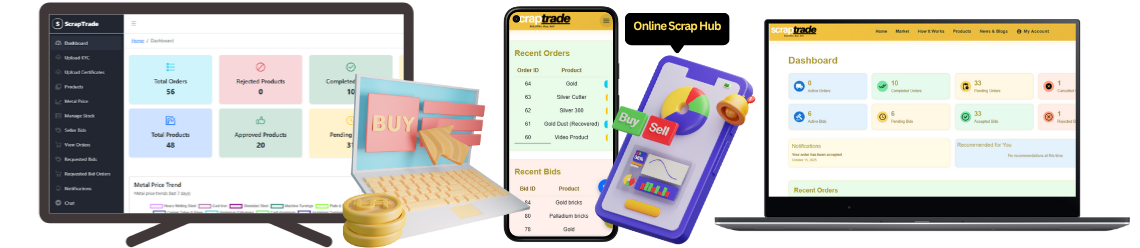
How ScrapTrades Approach Could Lift Lives
Imagine a system not built on bargaining in the backstreets but powered by transparency, dignity, and sustainable value:
- Verified Buyers & Offers: No more undercuttingcollectors can see offers from vetted buyers, even at village level.
- Live Price Information: Users could see fair market rates and avoid low-ball pricing.
- Secure Payments: Escrow-like protection could ensure collectors get paid after deliverynot someones promise.
- Responsible Logistics: Pickup systems that respect places like Addis’ sprawling dumpsincluding Koshecan be organized safely.
WikipediaRecycleinme
Thats not idealismits infrastructure-minded empathy. A system that lets those scraping survive do so with security, dignity, and fairness.