Scrap trading might look simple from the outsidecollect some metal, sell it to a smelter, and make a profit. But anyone whos been in the trenches knows its far more complex, operationally intensive, and strategic. Stuart, a South African entrepreneur, exemplifies how hands-on experience, calculated risk-taking, and relationship-building can turn a small scrap yard into a multi-million-dollar empire. Heres his storyand the lessons every aspiring scrap trader can apply.
Starting from the Ground Up
At just 18, Stuart began as a laborer in a small scrapyard in South Africa. He spent his days sorting metals, learning to operate machinery, and dealing directly with suppliersthe very people selling the scrap. Within 15 years, that hands-on experience helped him climb to Executive Director of a company with 80 facilities across Sub-Saharan Africa.
Lesson: In scrap trading, theres no shortcut to understanding your materials, your machinery, and your market. Ground-level knowledge gives you leverage you cant get from textbooks or spreadsheets.
The Customer Paradox
Scrap trading has a unique dual market: your suppliersthe plumbers, demolition companies, or small businesses delivering scrapare technically your customers. On the flip side, your buyers are smelters and processors globally. Success requires mastering both sides: sourcing raw materials efficiently and selling processed metals profitably. Relationships and trust are crucial in both directions.
Lesson: Treat suppliers and buyers with equal focus. Building trust pays dividends that money alone cant buy.
Lessons in Risk Management
Scrap trading comes with unexpected challenges. During COVID, Stuart shipped HMS steel to South Korea. Despite perfect timing, hedging, and prior experience selling copper there, market prices dropped mid-shipment. When the shipment arrived, the buyer withheld 5% of the payment, citing impurities.
Key Takeaways:
- Anticipate inspection and payment risks with new buyers.
- Consider being physically present for high-stakes shipments.
- Even seasoned traders can be blindsided by market volatility or foreign regulations.
Lesson: Risk isnt just in buying and sellingits logistics, inspections, international regulations, and shifting market prices.
Starting Fresh and Scaling Quickly
After relocating to New Zealand, Stuart essentially started over. He purchased a small scrap yard from a retiring couple and applied his experience to run every aspect of the business. Within five years, he expanded to four yards generating $60M in revenue.
Lesson: Deep industry experience and a willingness to take calculated risks enable rapid growtheven in a completely new country.
Understanding Capital and Trade Finance
Scrap trading requires smart management of capital. Stuart started with personal savings and equity from friends and family. When scaling exports, he leveraged stock-based trade financea rare but powerful strategy.
Lesson: Knowing how banks view scrap as collateral and creatively structuring finance can unlock growth without over-leveraging.
Operational Know-How: Beyond Collecting Scrap
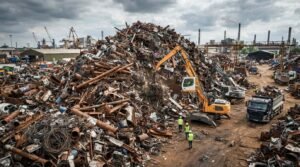
Running a scrapyard is not just about buying and selling metals. Large yards use shears, shredders, and densifiers to clean and compress scrap, making it efficient for smelters to reuse. Sustainability is increasingly importantrecycled metal reduces carbon emissions, which buyers now prioritize.
Lesson: Investing in technology and infrastructure improves efficiency, quality, and profitability.
Navigating Export Terms and Finance
Exporting metals introduces new complexities:
- FOB (Free on Board): You sell at the port of departure; cash flow is simpler, and risk is lower.
- CIF (Cost, Insurance, Freight): You pay until the destination port; price potential is higher, but cash flow and risk increase.
Smaller exporters may struggle with CIF shipments because payments can take 4560 days. Combine this with new buyer risks, and trade finance becomes critical. Letters of Credit (LCs) or prepayments are often necessary for unfamiliar buyers.
Lesson: Choose the right trade terms and secure your finance. Cash flow is king in international scrap trading.
Operational Complexity and Inventory Management
Scrapyards are dual-intensive:
- Trading: Monitor inventory, hedge risk, manage slow-moving metals.
- Operations: Manage staff, quality control, and safety.
Smaller metals like brass or copper take months to accumulate enough for export. Strategies include buying in smaller batches and averaging prices over time.
Lesson: Patience, meticulous tracking, and operational control are essential to profitability.
Leveraging Technology and Relationships
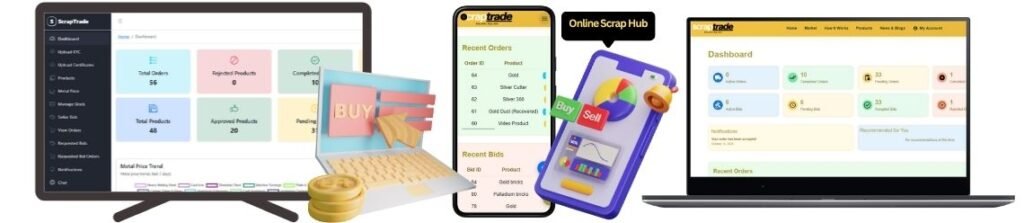
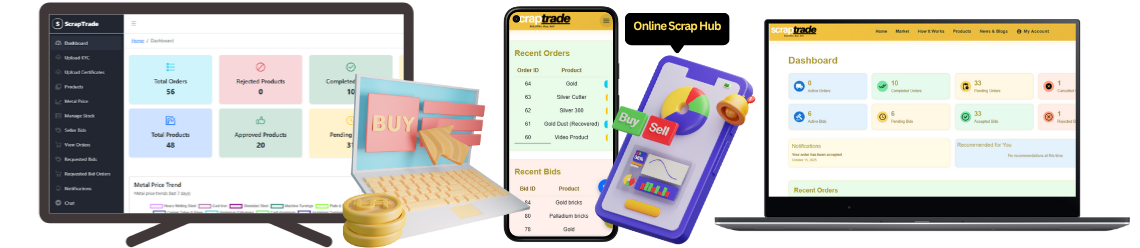
Even as billions of dollars are traded manually, Stuart is building a digital platform to streamline metal trading. While technology improves efficiency, trust and relationships remain central.
Lesson: Tech can enhance trading, but relationships and credibility are irreplaceable.
Meta Lessons for Aspiring Scrap Traders
- Industry Knowledge > General Skills: Hands-on understanding of metals, machinery, and quality is invaluable.
- Cash Flow is King: Trade finance, shipping delays, and payment risks are constant challenges.
- Staff & Operations Management: Recognize early when operational support is required.
- Relationships & Trust: These are your most portable assetsmore valuable than contracts.
- Resilience: The ability to survive bank pullouts, slow-moving commodities, or contractual disputes separates the successful from the rest.
? Bottom Line: Scrap trading is more than commodity flippingits a sophisticated, operationally-intensive business. Hands-on knowledge, financial savvy, operational mastery, and strong relationships are the pillars of success.