Banks and financial institutions often accumulate surplus or abandoned assets, including old electronic equipment, furniture, and other scrap materials. Instead of letting these items go to waste, banks organize bank scrap auctions, providing an opportunity for individuals and businesses to acquire valuable materials legally and transparently.
What is a Bank Scrap Auction?
A bank scrap auction is a formal process where banks sell obsolete, surplus, or unclaimed assets to the highest bidder. These auctions are typically publicized through official notices and can include:
- Old computers, ATMs, and electronic devices
- Office furniture and fixtures
- Vehicles and industrial equipment
- Metals like copper, aluminium, and steel
- Miscellaneous unclaimed items
These auctions can take place physically at the bank premises or online through authorized platforms, making it accessible for buyers nationwide.
Why Participate in Bank Scrap Auctions?
1. Acquire High-Value Materials
Bank scrap auctions often include items containing metals, electronics, and other valuable materials that can be recycled or resold for profit.
2. Cost-Effective Procurement
Businesses and individuals can purchase equipment or materials at prices often lower than market value, making auctions an economical option.
3. Sustainable Recycling
Participating in bank scrap auctions supports environmental sustainability by ensuring materials are recycled responsibly.
4. Transparent and Legal Process
Bank scrap auctions follow structured procedures, ensuring fairness, proper documentation, and reduced risk of fraud.
Types of Items Sold in Bank Scrap Auctions
- Electronics & IT Equipment: Computers, servers, ATMs, printers, and networking devices
- Furniture & Fixtures: Desks, chairs, cabinets, and office fittings
- Metals: Copper wires, aluminium parts, steel, and other recyclable metals
- Vehicles: Bank-owned cars or retired transport vehicles
- Miscellaneous Assets: Surplus stationery, packaging, or other unclaimed items
For scrap dealers and recyclers, these auctions provide a reliable source of metals and e-waste for resale or processing.
How to Participate in Bank Scrap Auctions
- Check Auction Notices
Banks usually announce upcoming auctions through official websites, local newspapers, or online portals. The notice contains details about items, auction date, terms, and registration procedures. - Register as a Bidder
Most auctions require participants to register, submit identification, and sometimes provide a security deposit. - Inspect Items (If Allowed)
Physical inspection or reviewing photographs and catalogs helps you assess the quality and quantity of scrap materials. - Place Your Bids
Bidding can be done online or in-person, depending on the auction format. - Payment and Collection
Successful bidders must make payment within the stipulated time and arrange transportation or collection of the items.
Tips for Successful Participation
- Research Scrap Values: Know the market rates for metals, electronics, and other materials.
- Set a Budget: Avoid overbidding by determining your maximum spending limit.
- Prioritize High-Value Items: Metals and electronics often provide the highest resale value.
- Follow Auction Rules: Adhere to timelines, payment conditions, and collection requirements.
Online Platforms for Bank Scrap Auctions
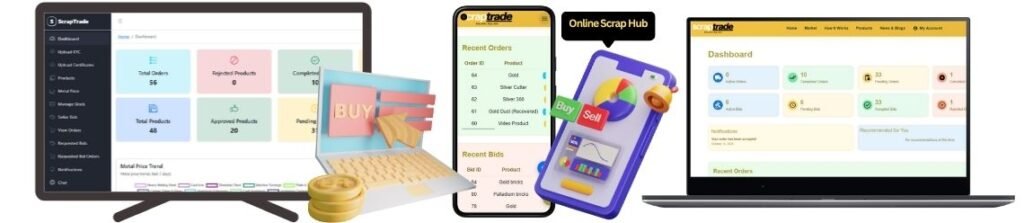
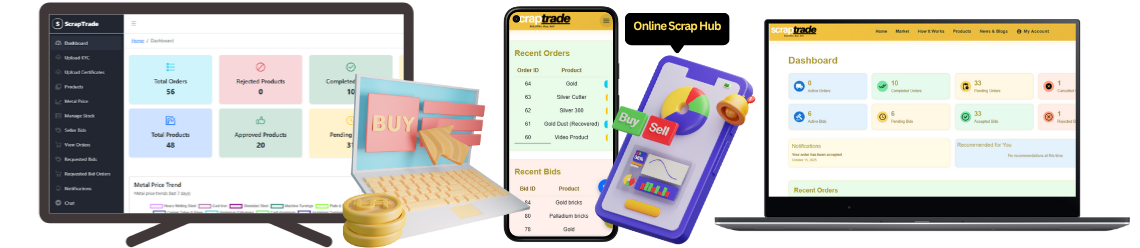
Many bank scrap auctions are now conducted online, making it easier to participate from anywhere. Platforms like ScrapTrade connect verified scrap buyers and sellers, offering:
- Secure online bidding and payments
- Real-time auction updates and catalogs
- Verified buyer and seller network
- Logistic support for collection and delivery
Conclusion
A bank scrap auction is a valuable opportunity for businesses, scrap dealers, and individuals to access high-quality metals, electronics, and surplus materials at competitive prices. Participating in these auctions supports sustainable recycling and ensures a transparent, legal, and profitable trading process.
For those looking to trade scrap online, platforms like ScrapTrade provide a trusted and secure marketplace for metals, e-waste, and other scrap materials.