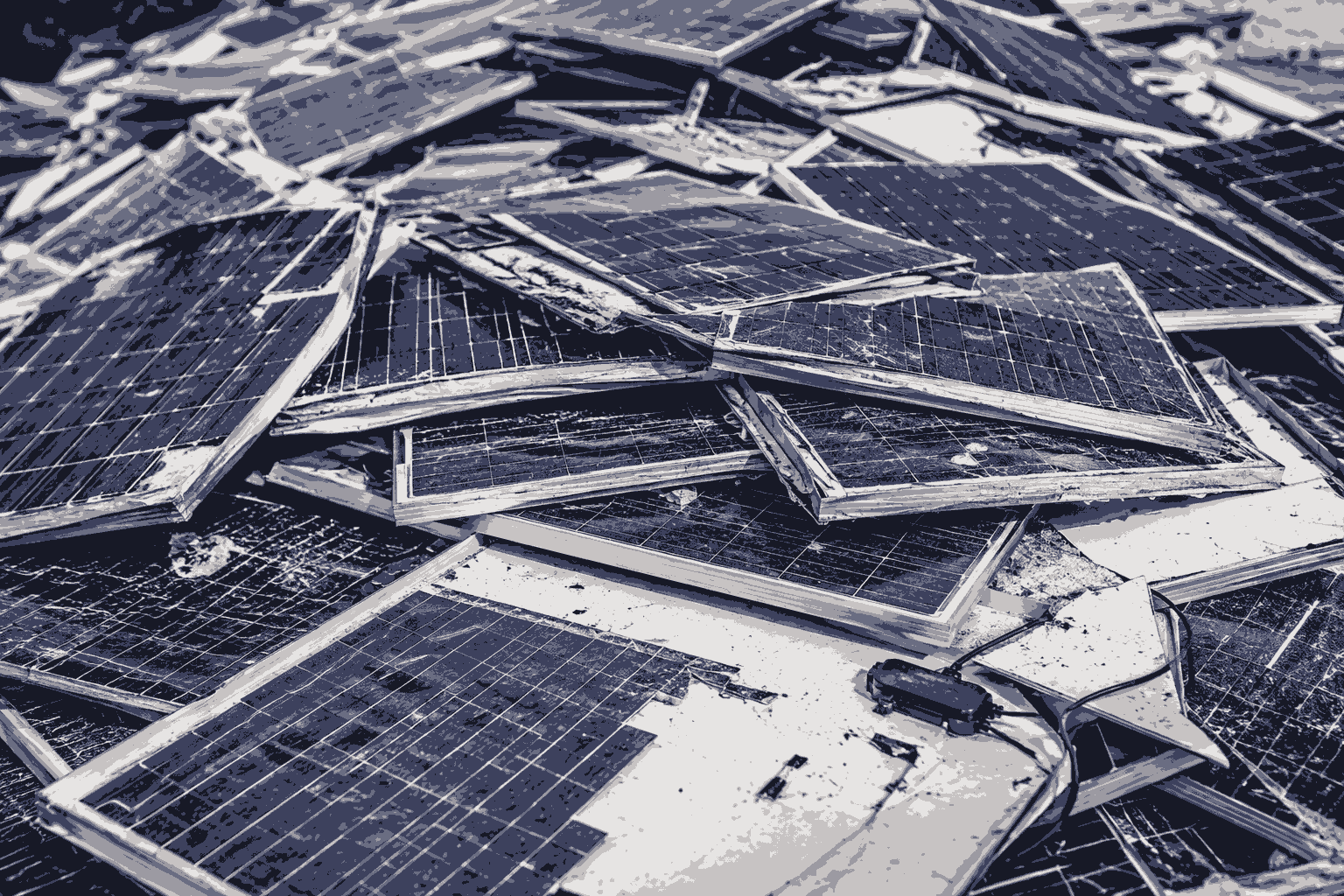
Scrap is one of those industries where who you work with matters as much as what you know, and it’s a lesson most operators learn sooner or later. If your interest leans toward specialist streams, the solar panel scrap and recycling guide is worth a look at some point.
One of the first things you notice in this trade is how much of it runs on relationships and reputation. The agents and brokers who last are the ones whose names come up when you ask around, and that’s not a coincidence, because it’s how a trade without much marketing sorts the reliable from the rest.
Agent, Broker, Dealer: What Is the Difference?
The words get used interchangeably all the time, and that’s understandable, but they do describe genuinely different roles. A dealer buys material outright and owns it while it sits in their yard. An agent acts for someone else and never owns it. A broker puts two parties together and may never see it at all.
It’s worth working out which role the person in front of you is actually playing, because it changes what you should ask for. If they own the material they’re offering you, you’re negotiating a sale. If they’re representing someone else, you’re negotiating with a middleman, and your ability to verify the deal shrinks accordingly.
How Agents and Brokers Get Paid
What’s less often discussed is how much those arrangements vary. The same agent can earn very different amounts on two almost identical loads because of differences in volume, material grade, distance to the buyer and how much sorting or processing the job demanded.
Be wary of anyone who talks in terms of guaranteed earnings, quotes percentages before they’ve seen the material or asks for money upfront before a single kilogram has moved. None of those are how reputable operators work, and all three are patterns anyone who has been in the trade for a while would recognise instantly.
Choosing an Agent or Broker to Work With
Test them with something small before you trust them with something big. A single load, handled well, tells you more about an operator than a month of conversation. Watch how they describe the material, how they weigh it, how quickly they communicate and whether the money arrives when they said it would.
Communication turns out to be the best indicator of all. Agents who call back, who explain a deduction rather than hiding it and who tell you when a load isn’t worth what you hoped are the ones worth keeping. The ones who are hard to reach when everything is going well are impossible to reach when it isn’t.
Why Records and Paperwork Matter
Almost every dispute in the scrap trade comes down to the same things: what was the material, what did it weigh and what was agreed. Every one of those is answerable with a piece of paper. Weighbridge tickets, photos of loads, grade descriptions, messages confirming a price, all of it is what stands between a disagreement and a feud.
The habit worth building early is simple: document the load, save the ticket, record the agreement. It takes a few minutes per transaction and it is the single cheapest insurance available in a trade where memory is famously unreliable and prices move every week.
Choosing the Right Scrap Business Model
The model you choose determines almost everything else about the business: what equipment you need, how much cash sits in stock, who your customers are and how long it takes to get paid. That’s why it’s worth thinking the choice through properly rather than falling into whichever version happens to be closest.
It also pays to think about which materials you want to be known for. Generalising is perfectly viable, but specialists who understand one stream deeply, whether that’s steel, copper or emerging areas like solar panel scrap and recycling, tend to get found by the buyers who need exactly that material.
Where to Start
There’s no perfect way into this trade, but there is a reliable pattern: understand the roles, check the people, test with something small and only scale up when the evidence says you should. And if specialist streams appeal to you at all, the solar panel scrap and recycling guide explains one of the fastest-growing ones in plain terms.
If you take one practical step from all of this, make it learning your materials properly. Even one alloy understood well changes how you read every offer you receive, and the bronze scrap trading guide is as good a place as any to begin.
None of this means you should never trust anyone. The trade is full of agents and brokers who do exactly what they say they will, and working with a good one will likely make you more money than going it alone would. The point isn’t to be suspicious of everyone; it’s to be worthy of trust yourself and to extend that trust only where it’s been earned. The rest of it, the models, the roles, the paperwork, is detail you can pick up as you go, because none of it is complicated once you’ve seen it in practice a few times.