Efficient collection and sorting of scrap is the backbone of a profitable scrap trading operation. Manual processes can be slow, error-prone, and costly, but technology enables scrap dealers to optimise scrap collection and sorting while improving accuracy, speed, and overall efficiency. Platforms like ScrapTrade help traders buy scrap online and sell scrap online while leveraging tech-driven solutions for seamless operations.
Why Technology Matters in Scrap Collection and Sorting
Traditional scrap yards rely heavily on manual labor, which increases the risk of:
- Misclassified materials
- Overlooked valuable scrap
- Delays in pickups and deliveries
- Inefficient inventory tracking
Technology addresses these challenges by automating key processes, improving data accuracy, and reducing operational costs.
Key Technologies for Optimising Scrap Collection
1. GPS and Route Optimization
- Plan the most fuel-efficient collection routes
- Monitor vehicle location in real-time for timely pickups
- Minimise travel time and reduce operational costs
- Improve coordination between collection teams and scrap yards
2. IoT Sensors
- Track weight, volume, and type of scrap in collection vehicles
- Detect overloading or unsafe handling practices
- Provide real-time data to manage inventory more effectively
3. Mobile Apps for Scheduling and Coordination
- Schedule pickups digitally using platforms like ScrapTrade App
- Receive instant updates on collection progress
- Communicate directly with drivers and suppliers for smoother operations
Technologies for Optimising Scrap Sorting
1. Automated Sorting Systems
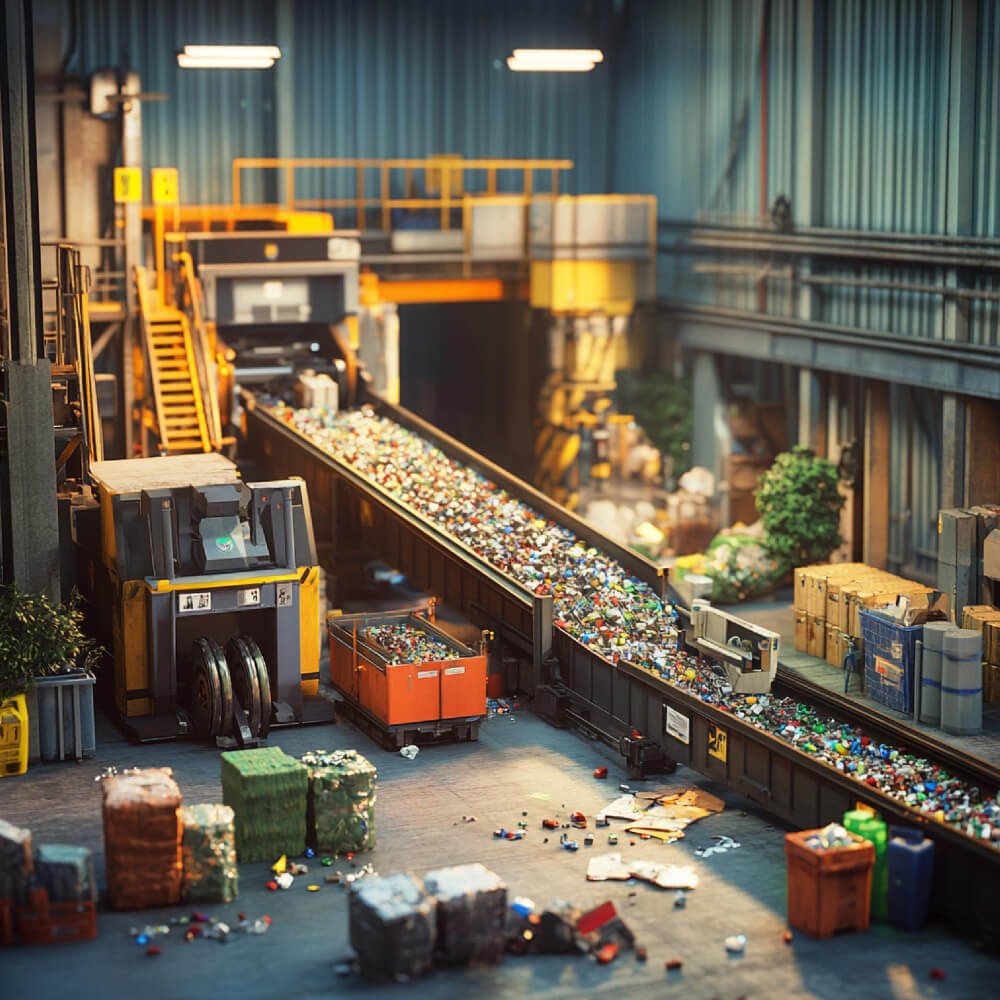
- Conveyor belts, magnetic separators, and optical sorters quickly separate materials
- Differentiate ferrous and non-ferrous metals efficiently
- Improve quality and reduce contamination in scrap batches
2. AI and Machine Learning
- Analyze images and data to classify scrap materials accurately
- Predict material quality and resale value
- Continuously improve sorting precision through adaptive learning
3. Digital Inventory Tracking
- Automatically log scrap type, weight, and storage location
- Integrate inventory data with online marketplaces for seamless transactions
- Reduce errors caused by manual record-keeping
4. E-Waste Disassembly Technology
- Automate the separation of metals, plastics, and hazardous components
- Ensure safe recycling of e-waste and compliance with environmental regulations
- Recover high-value metals like gold, silver, and copper efficiently
Benefits of Using Technology in Scrap Collection and Sorting
- Higher Efficiency: Process larger volumes of scrap faster
- Lower Costs: Reduce labor, fuel, and operational expenses
- Improved Accuracy: Minimise errors in classification and inventory tracking
- Sustainability: Reduce waste and maximize recyclable material recovery
- Competitive Advantage: Meet buyer demand faster and sell scrap online efficiently
How ScrapTrade Supports Tech-Driven Scrap Operations
ScrapTrade integrates technology with scrap trading:
- Connects verified scrap buyers and sellers across Australia
- Provides real-time analytics and pricing insights
- Supports digital scheduling, inventory management, and logistics
- Enables secure, escrow-protected transactions for peace of mind
By combining automated collection and sorting tools with ScrapTrade’s online platform, scrap dealers can streamline operations, increase profits, and maintain high-quality inventory for buyers.
Conclusion
Optimising scrap collection and sorting using technology is essential for modern scrap trading. From GPS and IoT-enabled collection vehicles to AI-driven sorting and digital inventory tracking, technology enhances efficiency, accuracy, and sustainability.
Platforms like ScrapTrade allow scrap dealers to buy scrap online or sell scrap online seamlessly while integrating these technological solutions for maximum operational efficiency and profitability.